
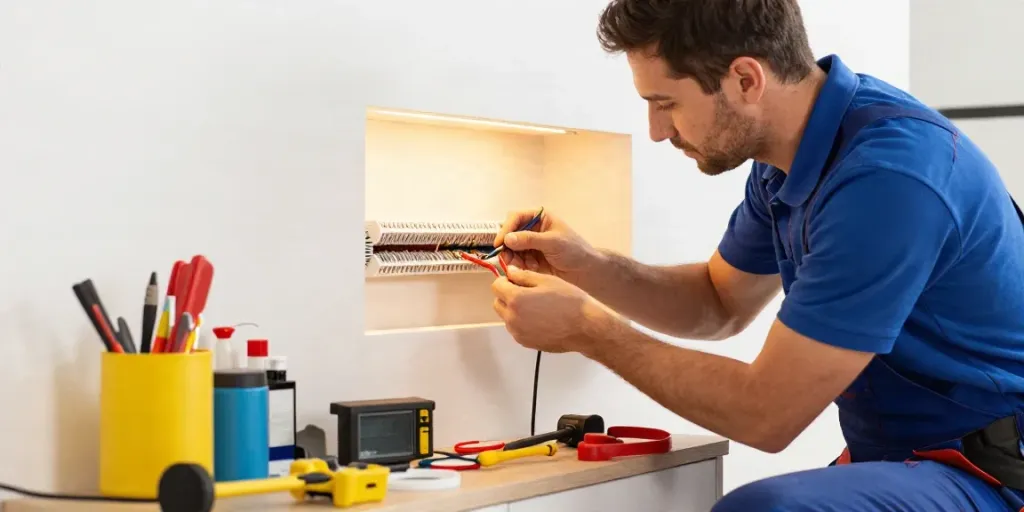
Understanding Electrical Installation: Basics and Safety
Electrical installation encompasses the recommended practices for fitting electrical systems within buildings. It ensures proper function, safety, and adherence to local regulations. Whether you’re upgrading your home, building a new property, or even conducting simple repairs, understanding electrical installation is essential. This guide will walk you through the fundamentals of this critical aspect of home construction and renovation. When exploring options, electrical installation provides comprehensive insights into best practices, tools, and safety standards that improve the reliability and longevity of your electrical system.
What is Electrical Installation?
Electrical installation refers to the process of installing, maintaining, and repairing electrical wiring and systems within residential, commercial, and industrial properties. This includes the installation of wiring for power, lighting, heating, and other electrical appliances. Proper electrical installation is crucial not only for operational efficiency but also for ensuring safety and compliance with electrical codes and regulations.
Key Components of Electrical Systems
A robust electrical system comprises several critical components including:
- Wiring: Different types of wires (such as copper and aluminum) serve various purposes within the installation.
- Circuit Breakers: These protect the electrical circuit from overload and the risk of fire.
- Transformers: They convert electrical energy to a usable voltage for appliances.
- Outlets and Switches: Key points for connecting devices to the electrical system.
- Fuse Boxes: They house circuit breakers that manage and distribute electrical flow.
Safety Standards and Compliance
Adherence to safety standards is non-negotiable in electrical installations. In the United States, the National Electrical Code (NEC) establishes guidelines to help ensure safe electrical construction and equipment handling. Compliance not only protects the inhabitants from potential hazards but also serves as a legal safeguard for property owners and electricians alike.
Top-Rated Tools for Efficient Electrical Installation
The right tools can make or break your electrical installation project. Whether you’re a DIY enthusiast or a professional electrician, having the right equipment enhances efficiency, precision, and safety. Here’s a look at essential tools that every electrician should have in their toolkit.
Must-Have Tools for Home Electricians
When tackling electrical installation, these tools are indispensable:
- Multimeter: For measuring voltage, current, and resistance to troubleshoot circuits.
- Wire Strippers: Essential for stripping insulation off electrical wires prior to installation.
- Insulated Screwdrivers: Protect against electric shocks when working on live circuits.
- Fish Tape: Useful for pulling wires through walls and conduit.
Comparing the Best Electrical Installation Kits
Choosing the right installation kit can simplify tasks significantly. Here are popular kits to consider:
Kit NameIncludesPriceDEWALT 10-Piece SetVarious screwdrivers, wire strippers, and pliers$49.99Klein Tools 8-Piece KitMultimeter, wire tester, and various tools$79.99Neiko Electrical Tool SetWire cutters, strippers, and screwdrivers$36.99
Budget-Friendly Options for Aspiring Electricians
For those on a budget, consider basic tool kits that include essential items at a lower price point. Local hardware stores and online marketplaces often offer seasonal sales that can help you acquire the necessary tools without breaking the bank.
Essential Electrical Installation Techniques for Homeowners
Performing electrical installation requires knowledge, precision, and practice. Here are vital techniques that can guide homeowners through basic projects safely.
Step-by-Step Wiring Guides
Each wiring project generally follows a systematic approach, which includes:
- Planning the layout: Decide on the type and quantity of outlets and fixtures needed.
- Shutting off power: Always disconnect power at the circuit breaker before beginning work.
- Pulling wires: Use fish tape or run wires through conduits, ensuring distance from any water sources.
- Connecting to outlets and fixtures: Follow the manufacturer's instructions and NEC guidelines for secure connections.
- Testing connections: Use a multimeter to check for continuity and voltage before restoring power.
Common Installation Mistakes to Avoid
Even experienced electricians make mistakes. Some common pitfalls include:
- Not following NEC guidelines, which can lead to safety hazards.
- Overloading circuits, causing breakers to trip or wires to overheat.
- Improper grounding, which elevates the risk of electrocution.
When to Hire a Professional Electrician
Some situations warrant the expertise of a professional, including:
- Complex installations involving major electrical panels.
- Installation in high-risk areas prone to moisture or damage.
- When local permits and inspections are required to ensure compliance.
Pricing Strategy for Electrical Installation Services
Understanding the financial aspect of electrical installation is crucial for effective budgeting and avoiding unexpected costs. Prices for electrical work can vary greatly based on the scope of the project, geographic location, and complexity.
How to Cost-Effectively Manage Your Installation
To manage costs effectively, consider the following:
- Get multiple quotes for your project to find the best price.
- Plan your installation around promotional periods where service discounts may be offered.
- DIY small projects where possible to save on labor costs while learning valuable skills.
Understanding Average Costs and Quotes
Here's an overview of average costs you could anticipate:
- Service Call Fee: $50 to $100.
- Hourly Rate: $65 to $85 per hour for professional electricians.
- Whole House Rewiring: $3,000 to $10,000 depending on size and complexity.
Value vs. Price: What You Should Know
While price is essential, consider the value of the service offered. A more expensive quote can often culminate in better safety standards, warranty offerings, and superior work quality that can save costs in the long run.
Customer Reviews: Building Trust in Electrical Installation Services
In an era where consumers have vast access to information, reviews play a vital role in decision making. For service-based industries like electrical installation, customer testimonials can provide insights into reliability and service quality.
Learning from Consumer Experiences
Studying reviews can highlight common praises and complaints that might be present across various electricians. Look for mentions of punctuality, professionalism, and customer service approaches.
Importance of Ratings and Testimonials
Star ratings can provide a quick overview of service quality. Aim for companies with high averages and numerous reviews to ensure consistency in customer satisfaction. Reading detailed testimonials can give you insights into the performance of specific services.
Leveraging Feedback for Improved Services
As both a consumer and a service provider, leveraging feedback is key. Consumers can aim to use past reviews to make informed choices, while electricians can integrate constructive criticisms to improve their services and grow trust through better customer relationships.


