Understanding Mini Split AC Units
Mini split AC units have revolutionized the way we approach home cooling and heating, offering efficient and flexible solutions that traditional HVAC systems often can't match. As energy efficiency becomes a priority for homeowners, understanding the components and functionality of mini split systems is essential. When exploring options, mini split ac unit provide comprehensive insights into modern climate control technology, making them a popular choice for residential and commercial applications alike.
What is a Mini Split AC Unit?
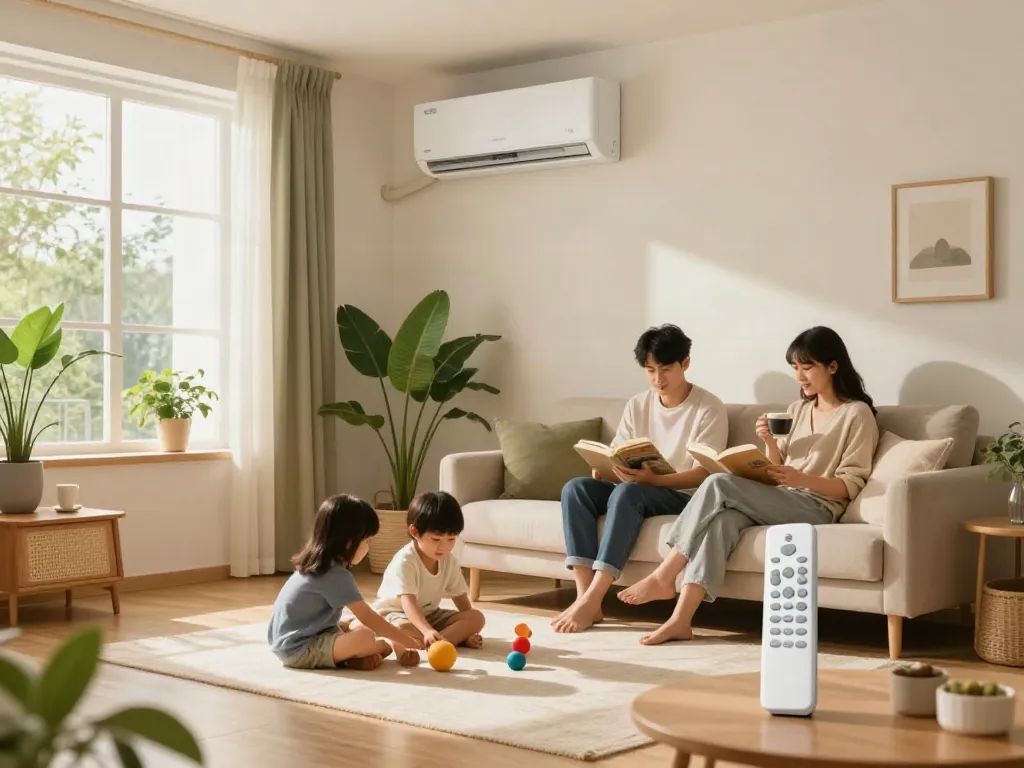
A mini split AC unit, also known as a ductless air conditioning system, is a compact and versatile HVAC solution that can effectively cool and heat individual rooms or zones without the need for extensive ductwork. These systems consist of an indoor unit and an outdoor compressor, which work together to provide temperature control tailored to specific areas of a building. The compact design makes them ideal for various applications, including homes, apartments, and commercial spaces.
Key Components and How They Work
The key components of a mini split AC unit include:
- Indoor Unit: This part is responsible for distributing cooled or heated air into the living space. It is mounted on walls or ceilings, offering flexibility in installation.
- Outdoor Unit: This unit houses the compressor and condenser. It dissipates heat absorbed from the indoor air, ensuring efficient cooling.
- Refrigerant Lines: These lines connect the indoor and outdoor units, allowing refrigerant to flow between them. This fluid absorbs heat from the indoor air and releases it outside.
- Remote Control and Thermostat: Most mini split systems come with a remote control for easy operation, along with a programmable thermostat for consistent temperature management.
When the thermostat senses a rise in temperature, the system activates the compressor, which circulates refrigerant through these components, ultimately cooling or heating the indoor space efficiently.
Types of Mini Split Systems Available
There are several types of mini split systems tailored to different needs:
- Single-Zone Systems: Ideal for cooling or heating a single room, these systems are straightforward and cost-effective.
- Multi-Zone Systems: Designed for multiple rooms or zones, these systems allow for individual temperature control in each zone, enhancing comfort and efficiency.
- Heat Pump Models: These units not only cool but also heat spaces effectively by reversing the refrigeration cycle.
- System with Variable Speed Compressors: These advanced models adjust the compressor speed based on cooling demand, ensuring optimal efficiency and comfort.
Benefits of Mini Split AC Units
Energy Efficiency and Cost Savings
One of the most compelling reasons homeowners gravitate toward mini split AC units is their remarkable energy efficiency. These systems often have SEER (Seasonal Energy Efficiency Ratio) ratings significantly higher than traditional HVAC units, leading to substantial cost savings on energy bills. By allowing users to cool or heat specific areas rather than the entire home, mini splits reduce energy consumption. For instance, cooling a rarely used guest room at the same time as an active family area can lead to wasteful energy costs that mini splits help avoid.
Flexibility and Zoning Capabilities
Mini split systems provide unparalleled flexibility in installation and usage. Homeowners can choose where to place indoor units, allowing for customization based on living patterns and preferences. Furthermore, the zoning capabilities of multi-zone systems mean that different family members can set their preferred temperatures in various rooms, ensuring everyone stays comfortable without sacrificing efficiency.
Quiet Operation Compared to Traditional Systems
Another advantage of mini split AC units is their quiet operation. Traditional HVAC systems can be noisy, especially when the compressor turns on. In contrast, mini splits operate at lower noise levels, often comparable to a whisper. This feature makes them particularly appealing for bedrooms, offices, and other areas where noise may be disruptive.
Installation Guide for Mini Split AC Units
Steps for Professional Installation
While DIY enthusiasts may be tempted to install mini split units themselves, hiring a professional ensures optimal performance and compliance with local regulations. The installation process typically involves the following steps:
- Site Assessment: A professional will evaluate the home to determine the best locations for the indoor and outdoor units, considering factors like sunlight and airflow.
- Mounting the Indoor Unit: The contractor will securely mount the indoor unit on a wall or ceiling, ensuring proper clearance and alignment.
- Installing the Outdoor Unit: The outdoor unit will be placed in a location that allows for unobstructed airflow.
- Connecting Refrigerant Lines: The technician will connect the refrigerant lines, ensuring they are properly insulated and sealed.
- Electrical Connections: Proper electrical connections to both units will be made, often requiring integration into the home's electrical system.
- Testing the System: Finally, the contractor will test the system for proper operation before completing the installation.
DIY Installation Considerations
While a professional installation is recommended, those with HVAC experience may choose to install mini split systems themselves. However, several considerations must be taken into account:
- Permits and Regulations: Check local regulations to determine if permits are needed for installation.
- Electrical Skills: Ensure you have the necessary skills to handle electrical wiring safely.
- Safety Precautions: Always wear appropriate safety gear and follow the manufacturer’s instructions closely.
- Tools and Materials: Ensure you have the right tools, including a vacuum pump and gauges for refrigerant, to complete the installation correctly.
Common Installation Challenges and Solutions
Even experienced installers can face challenges when setting up mini split systems. Some common issues include:
- Incorrect Sizing: Ensure that the unit is correctly sized for the space to avoid inefficiency.
- Improper Refrigerant Charge: An incorrect refrigerant charge can lead to poor performance or damage. It's vital to follow specifications carefully.
- Unbalanced Airflow: Proper placement of indoor units is crucial for balanced airflow throughout the space.
Maintenance and Care for Mini Split AC Units
Routine Maintenance Tasks
To ensure longevity and efficiency, regular maintenance of mini split AC units is essential. Homeowners should perform the following tasks:
- Cleaning or Replacing Filters: Filters should be cleaned monthly and replaced every few months to maintain air quality and system efficiency.
- Checking Drain Lines: Ensure the drain lines are clear to prevent water damage or mold growth.
- Inspecting Outdoor Unit: Regularly check the outdoor unit for debris, ensuring it has adequate airflow.
Common Issues and Troubleshooting
Homeowners may encounter some common issues with their mini split systems:
- Inconsistent Temperature Control: This could signify a problem with the thermostat or refrigerant levels, requiring professional assessment.
- Unpleasant Odors: Musty smells can indicate mold growth in the unit; cleaning and maintenance will help.
- Noisy Operation: If the system produces unusual noises, it may require servicing to address mechanical issues.
When to Call a Professional Technician
While many issues can be resolved with routine maintenance, certain situations require professional attention:
- Refrigerant Leaks: If you suspect a refrigerant leak, contact a technician immediately, as this can affect efficiency and is harmful to the environment.
- Electrical Problems: Any issues with wiring or circuit boards should be handled by a licensed electrician.
- System Age: If your system is over ten years old and frequently requires repair, it might be time to consider a replacement.
Future Trends in Mini Split AC Technology (2026 and Beyond)
Innovations to Expect in Efficiency
As energy conservation concerns grow, future mini split AC units are expected to feature advanced technologies that enhance efficiency. Expect more models with integrated sensors that adjust cooling or heating based on real-time occupancy data, optimizing energy usage effectively.
Integration with Smart Home Systems
The rise of smart home technology means mini split systems will increasingly integrate with smart home ecosystems. This integration allows for seamless control through smartphones and voice-activated devices, enabling homeowners to adjust temperatures remotely and receive notifications for maintenance requirements.
Emerging Trends in Eco-Friendly Cooling Solutions
In response to climate change, manufacturers are focusing on eco-friendly refrigerants with low global warming potential. Additionally, some innovations may include solar compatibility, allowing mini split systems to harness renewable energy sources for cooling and heating.
What are the disadvantages of a mini split?
Despite their many advantages, mini split AC units have some drawbacks. The initial installation cost can be higher than traditional systems, particularly for multi-zone setups. Additionally, the indoor units may not blend seamlessly with all interior designs, requiring careful planning regarding aesthetics.
Why is my electric bill so high with mini split?
If you notice high electric bills with your mini split AC unit, it could be due to several factors, including improper sizing, inefficient usage patterns, or the need for maintenance. Regular checks and adjustments can help mitigate these costs.
Are mini-split AC units worth it?
For many homeowners, mini split AC units prove to be an excellent investment due to their energy efficiency, flexibility, and ability to provide personalized comfort. They often translate to lower long-term energy costs, making them worth the initial investment.
How much does it typically cost to install a mini split?
The installation cost of mini split systems varies significantly based on factors such as system size, complexity of installation, and geographical location. Generally, homeowners can expect to pay between $3,000 to $7,000, including both equipment and installation, depending on the system type and number of zones included.